In 1978, shortly after the death of her father – artist Duncan Grant – Angelica Garnett moved back into her birthplace and childhood home, Charleston farmhouse, near Lewes (East Sussex). The house had been Grant’s home and studio since 1916, shared with fellow artist, brief lover and life-long companion, Vanessa Bell – mother of Angelica and sister of author Virginia Woolf. For over half a century, Charleston had been the country refuge for the celebrated Bloomsbury group of artists and writers, which included Lytton Strachey, Maynard Keynes (both Duncan’s lovers) and, from 1939, Vanessa’s husband, Clive Bell.
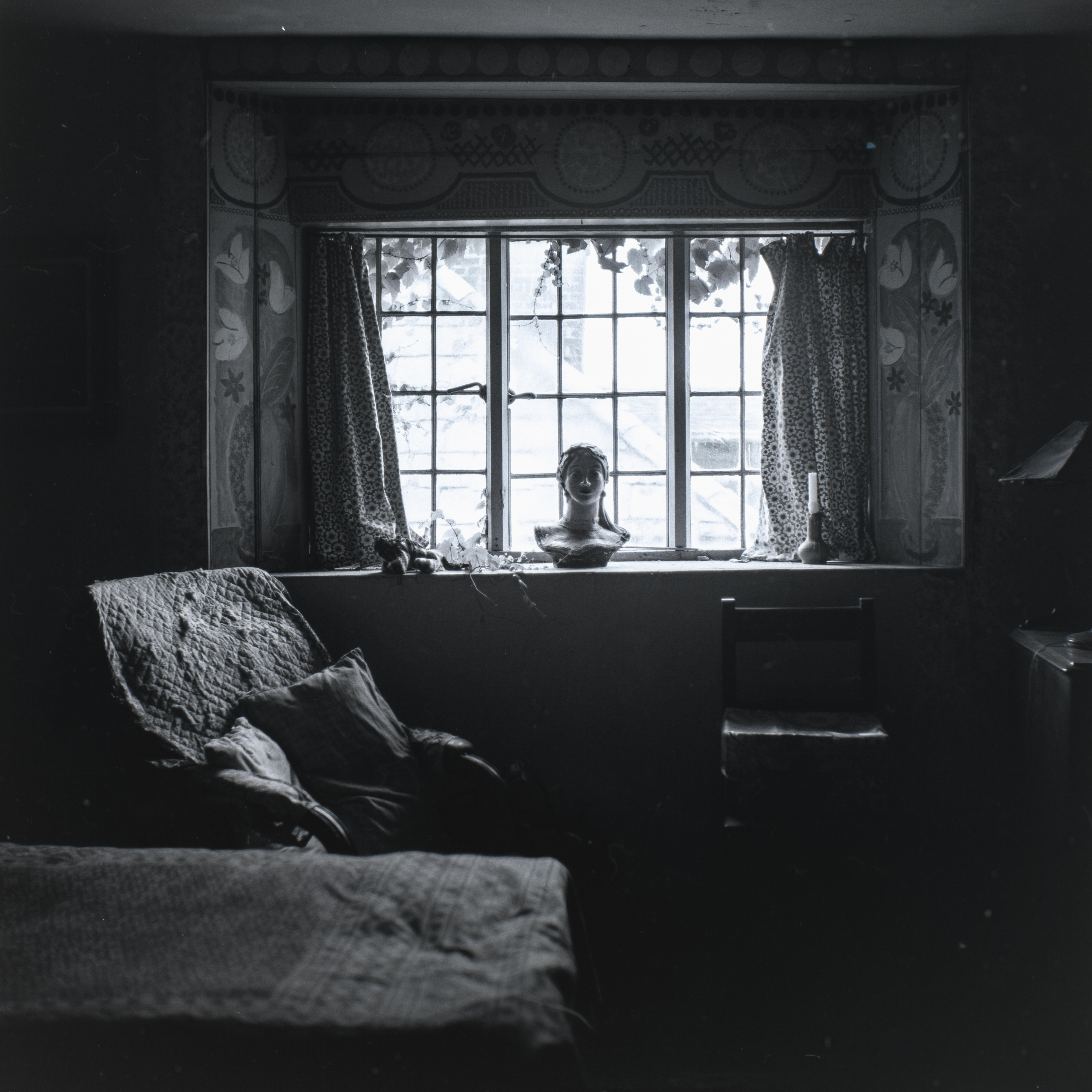
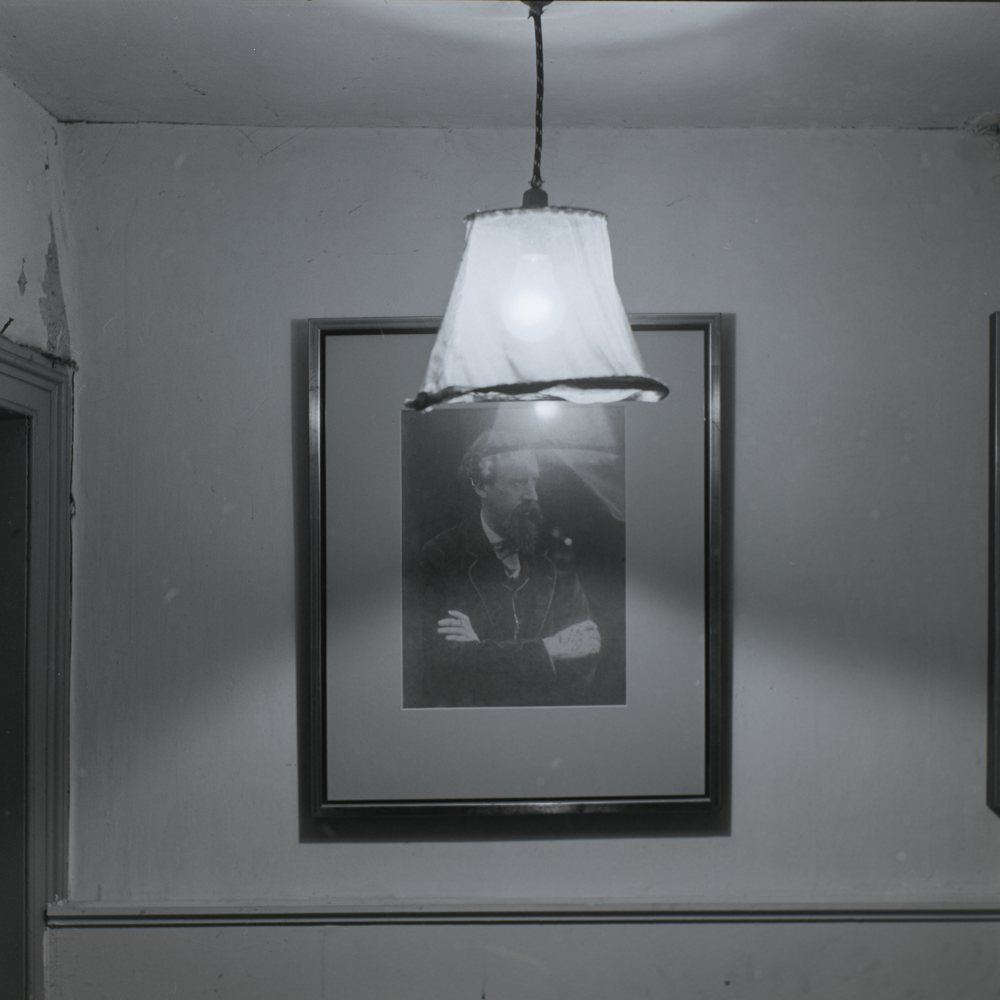
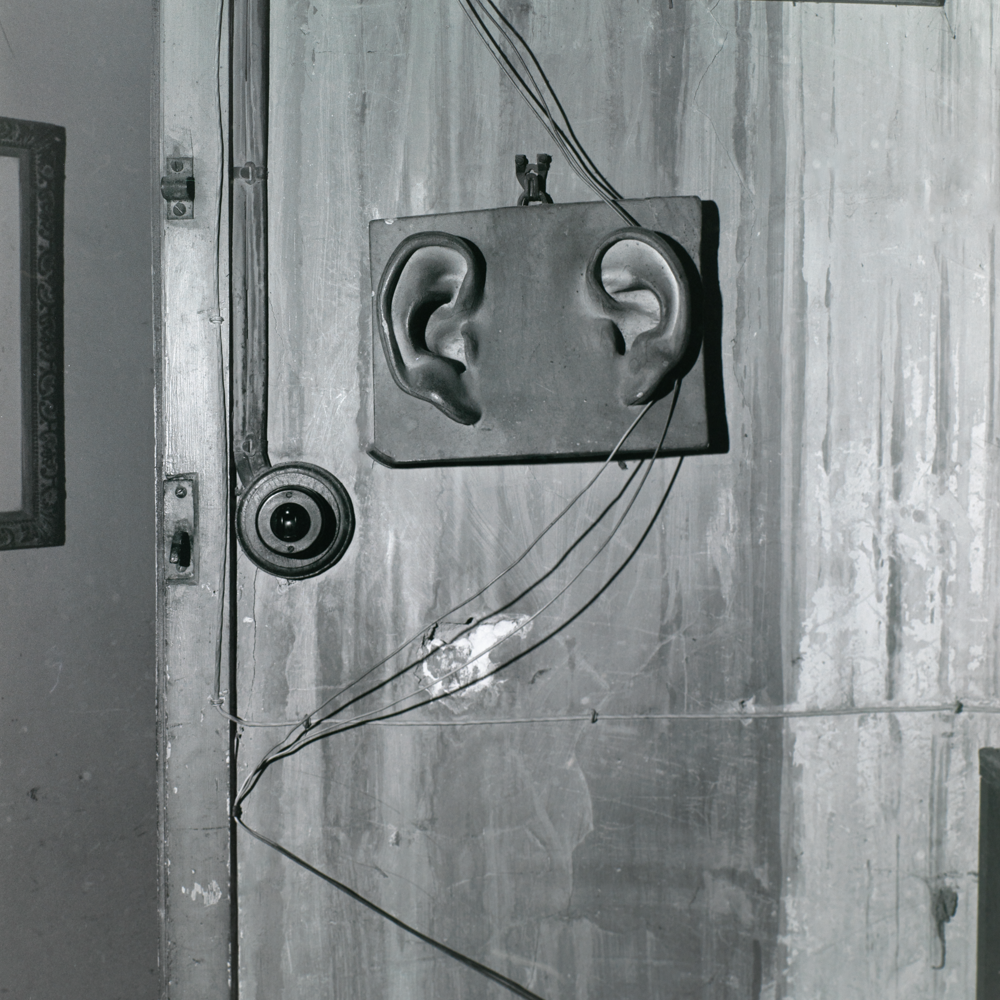
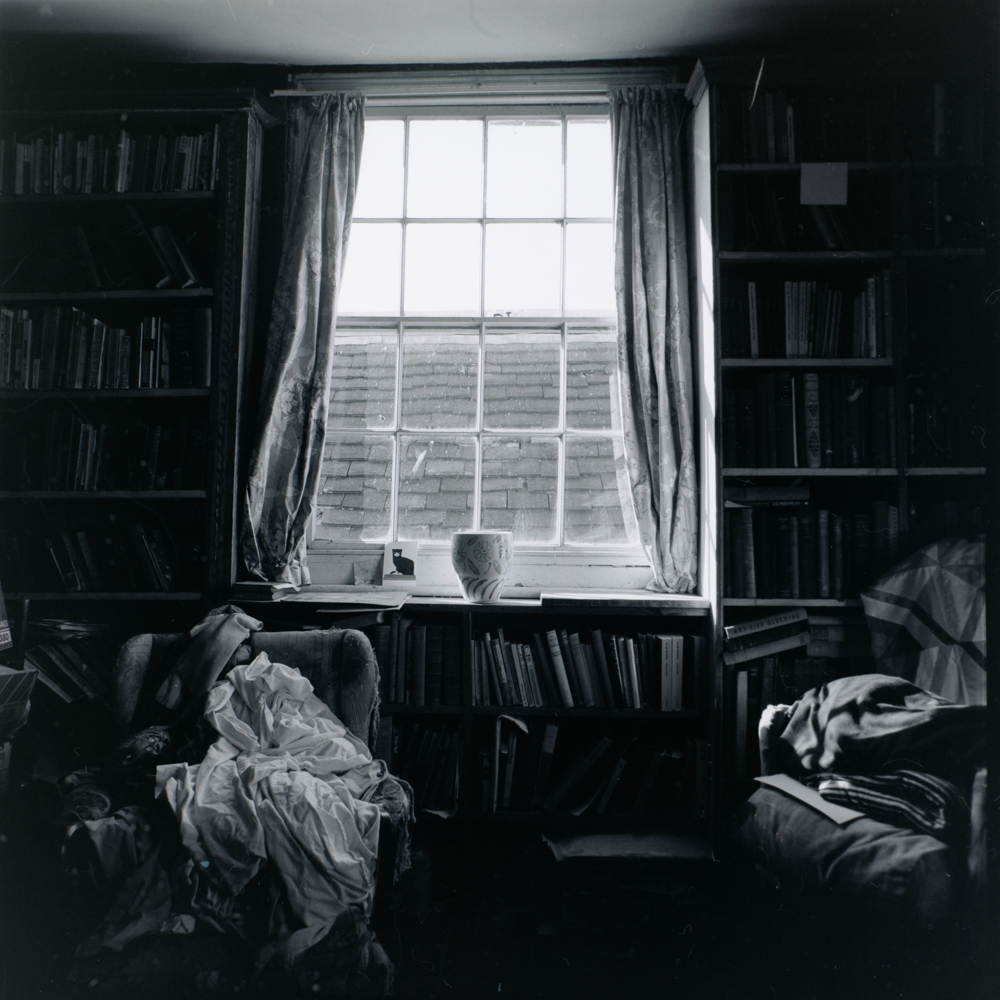
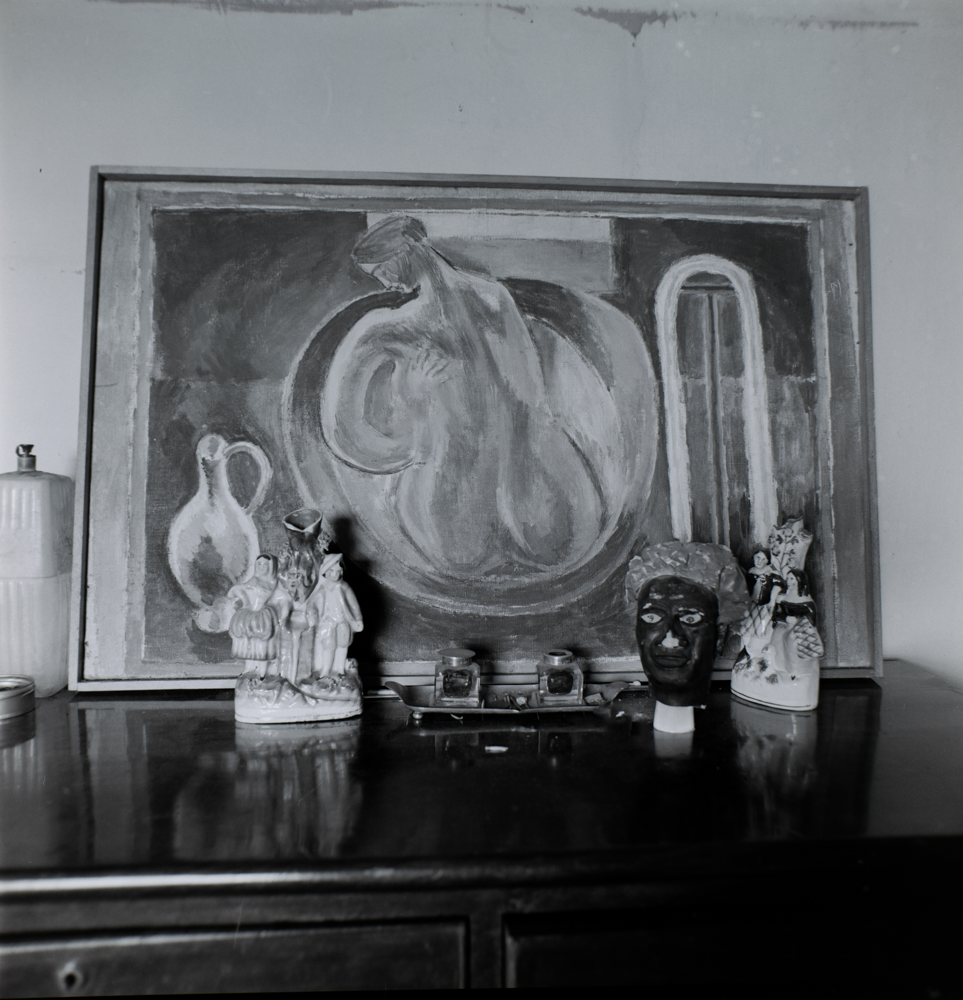
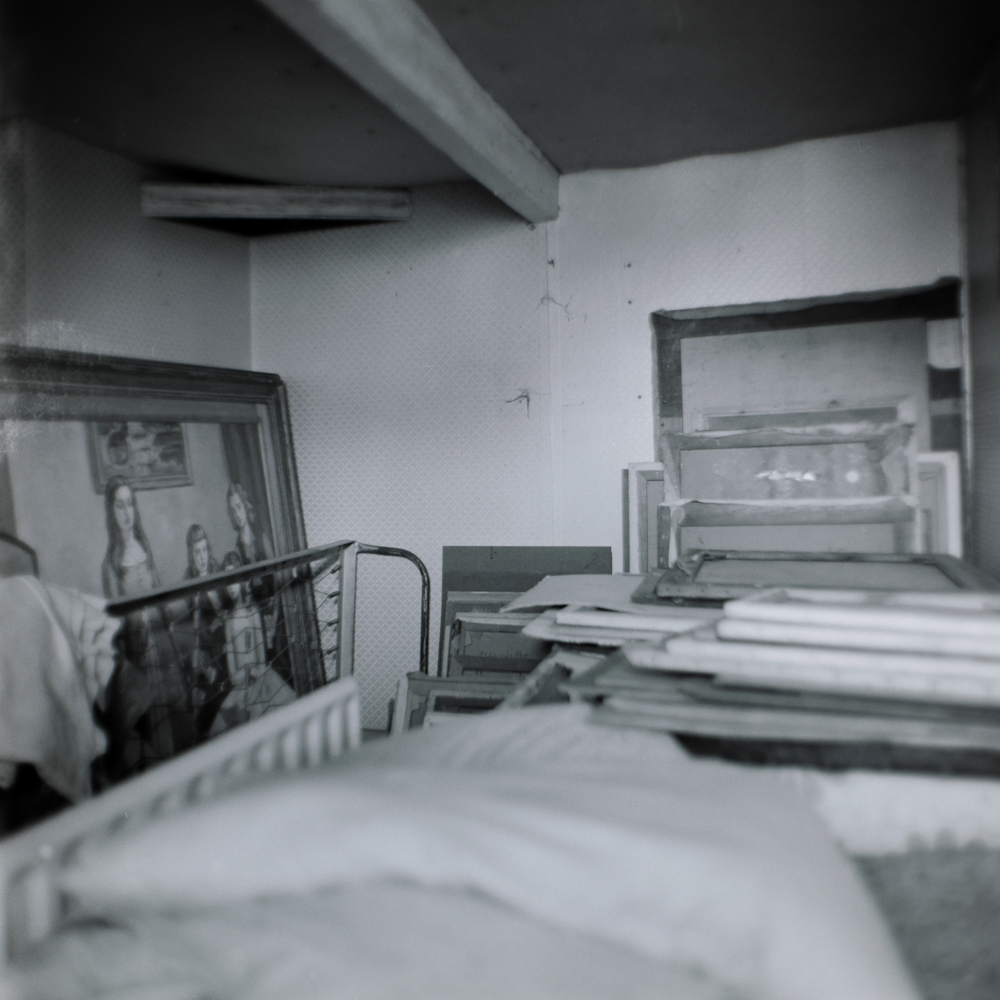
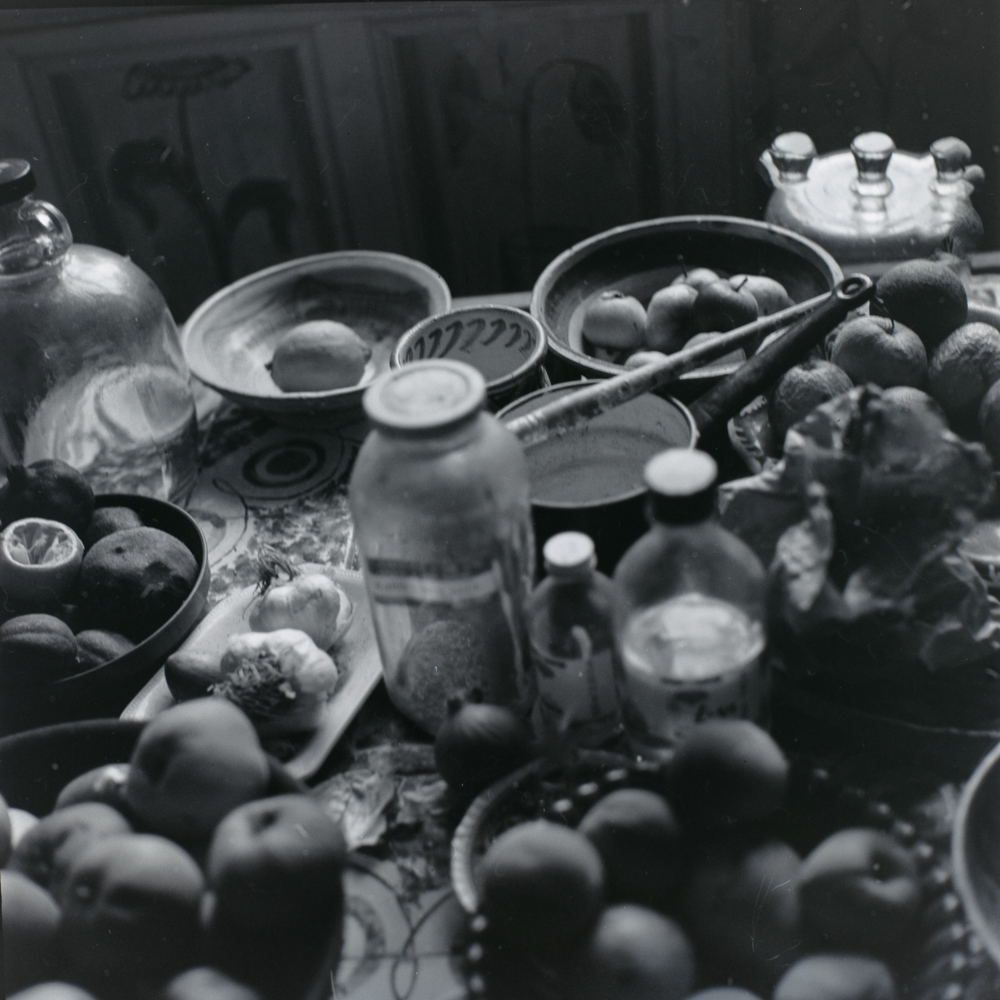
Angelica – who was 17 when she first learned that Duncan Grant and not Clive Bell, was her father – did not return to Charleston for long. She found the house too emotionally charged and moved to a smaller house in nearby Ringmer, after she’d helped set up the Charleston Trust in 1980 to preserve the house and its contents. During this brief window in 1979, the same year that Jane Bown photographed Angelica (now in the National Portrait Gallery), I had the rare privilege to photograph the house, from top to bottom, while Angelica was still living there, along with her large cat.
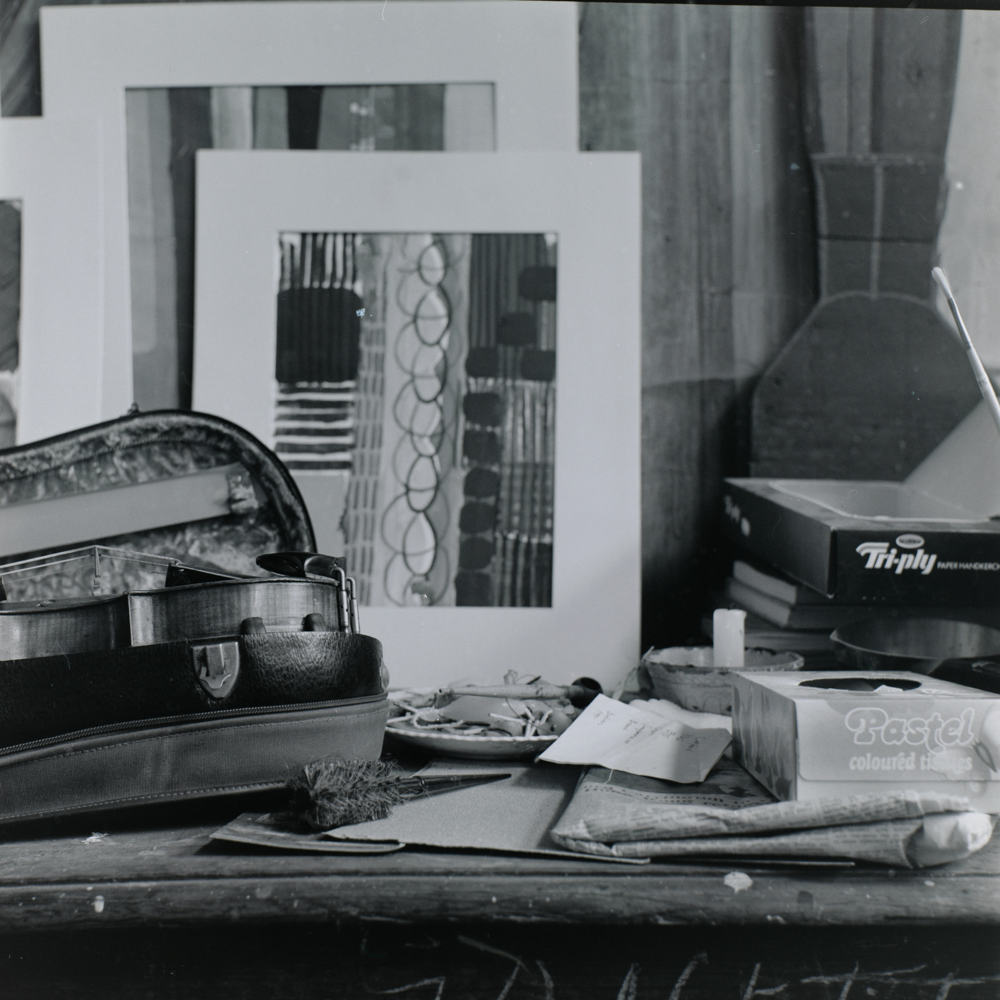
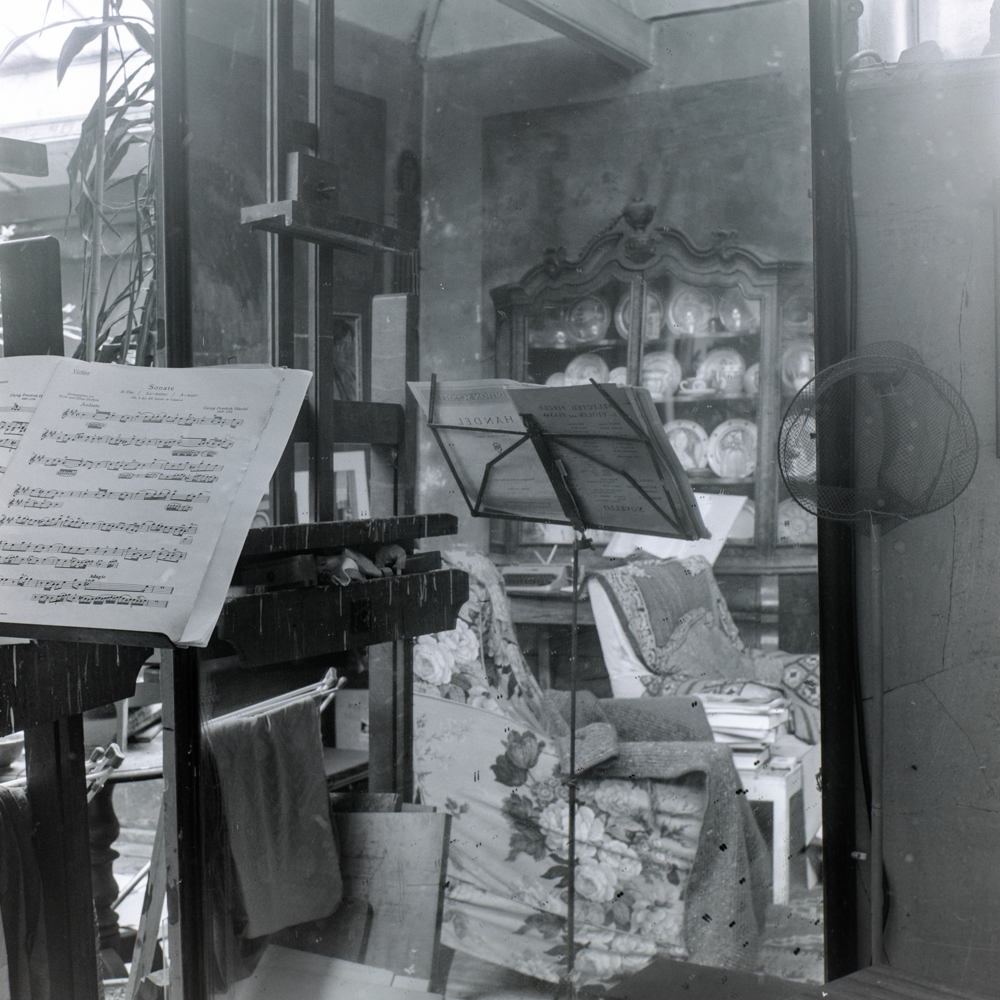
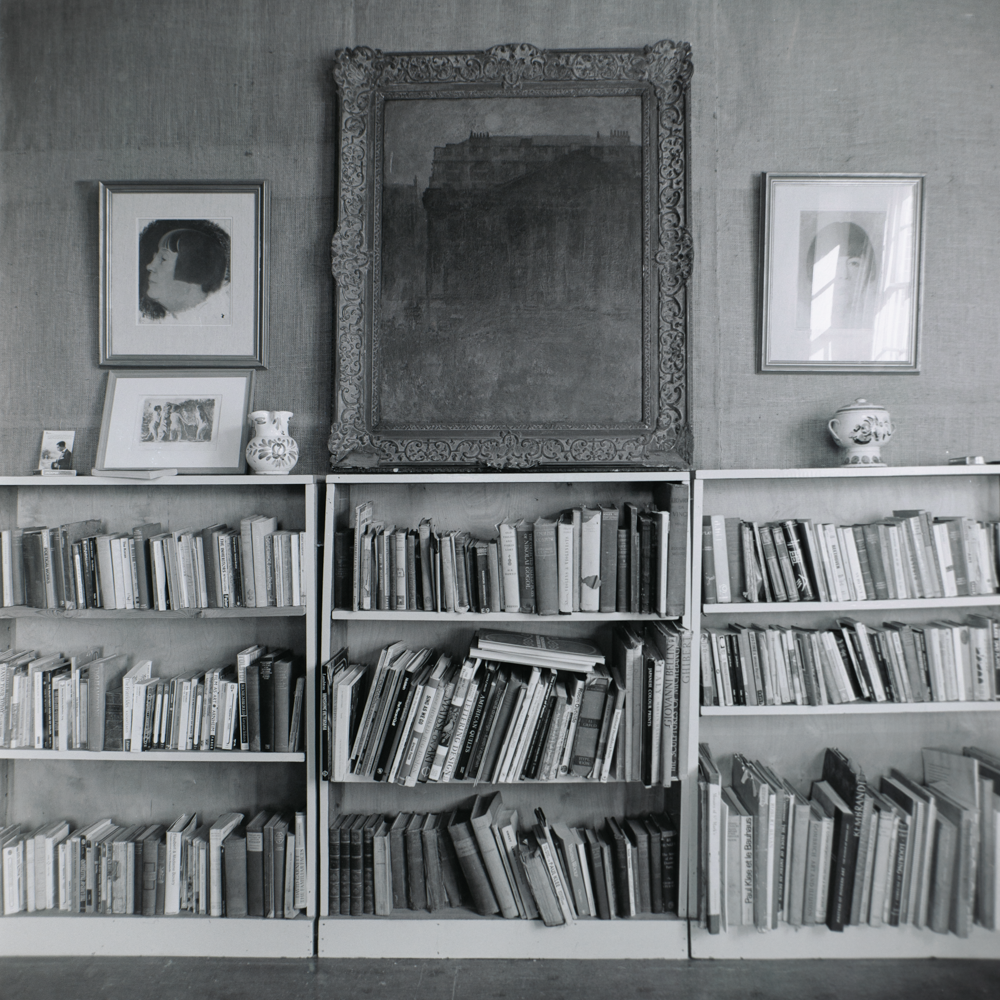
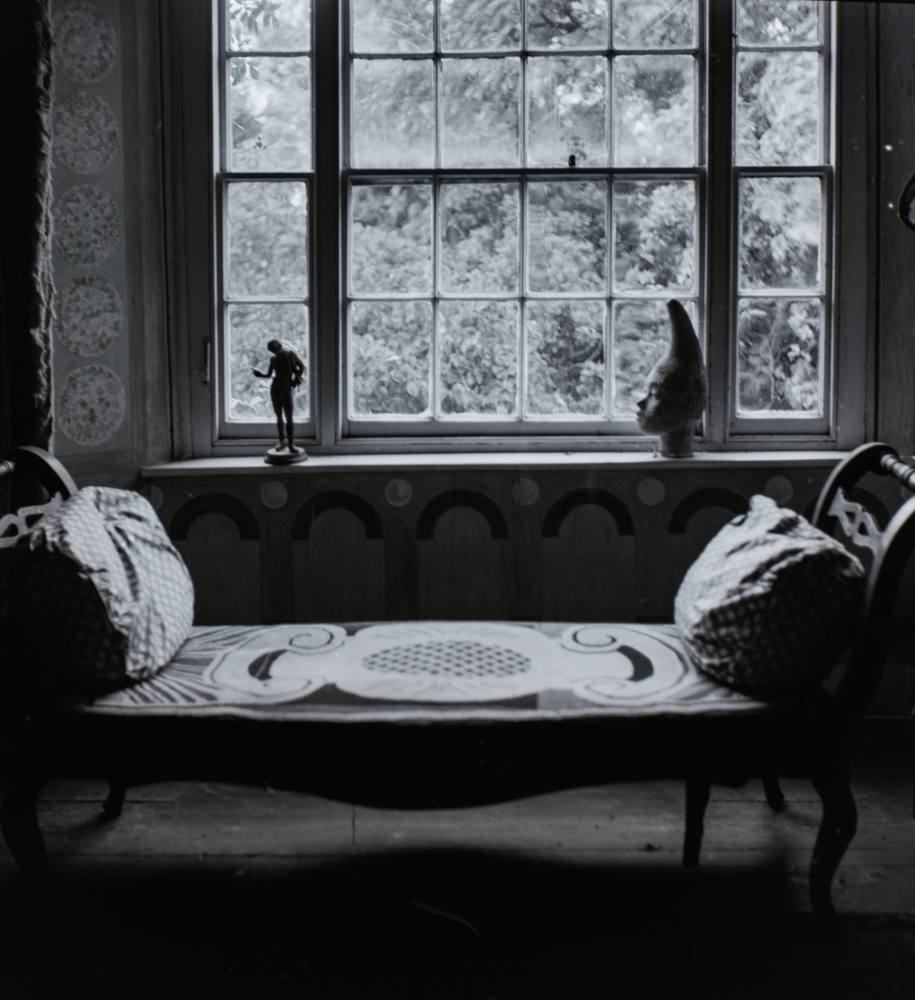
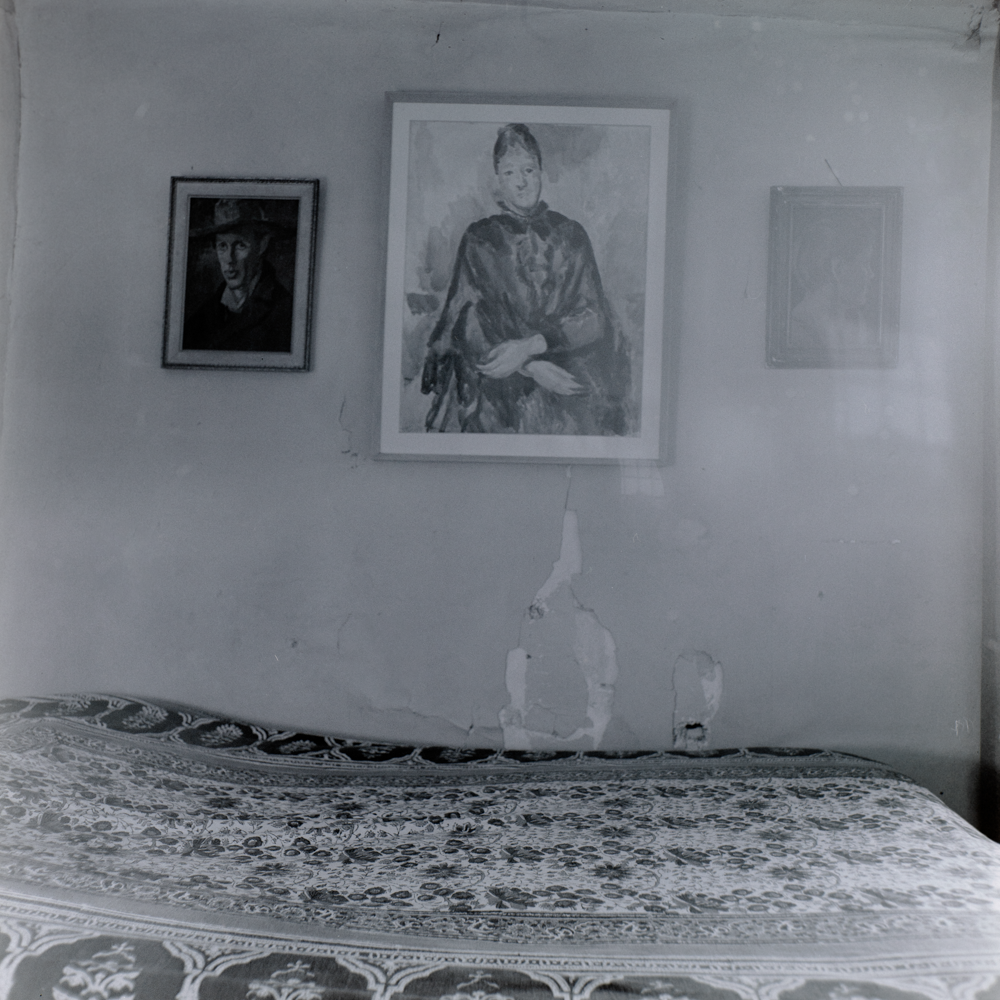
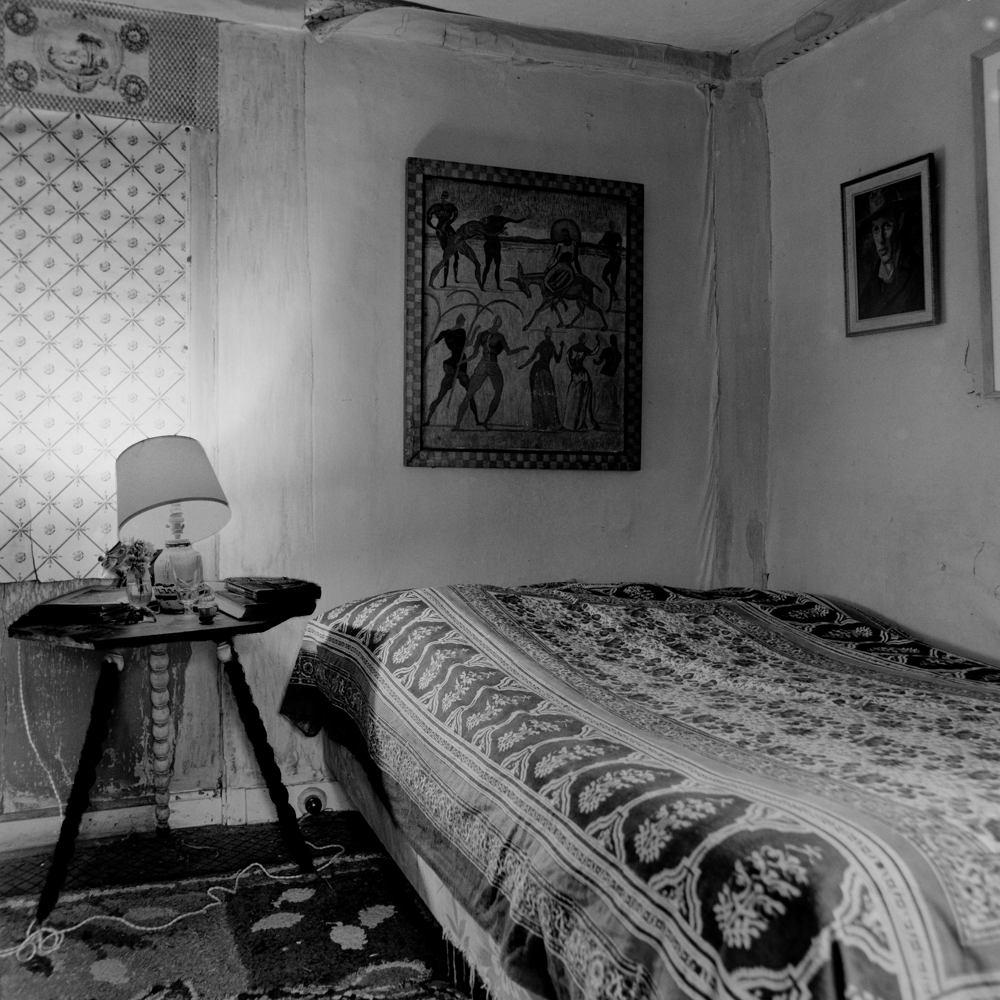
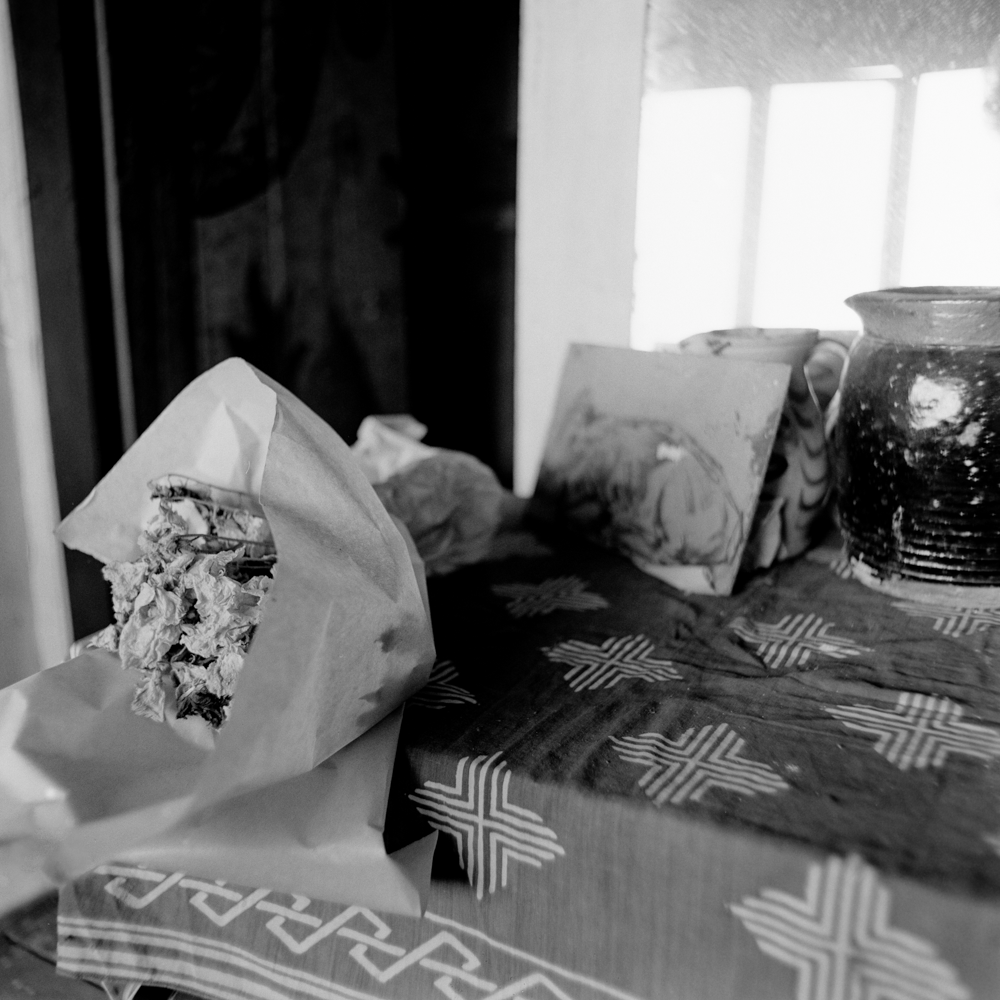
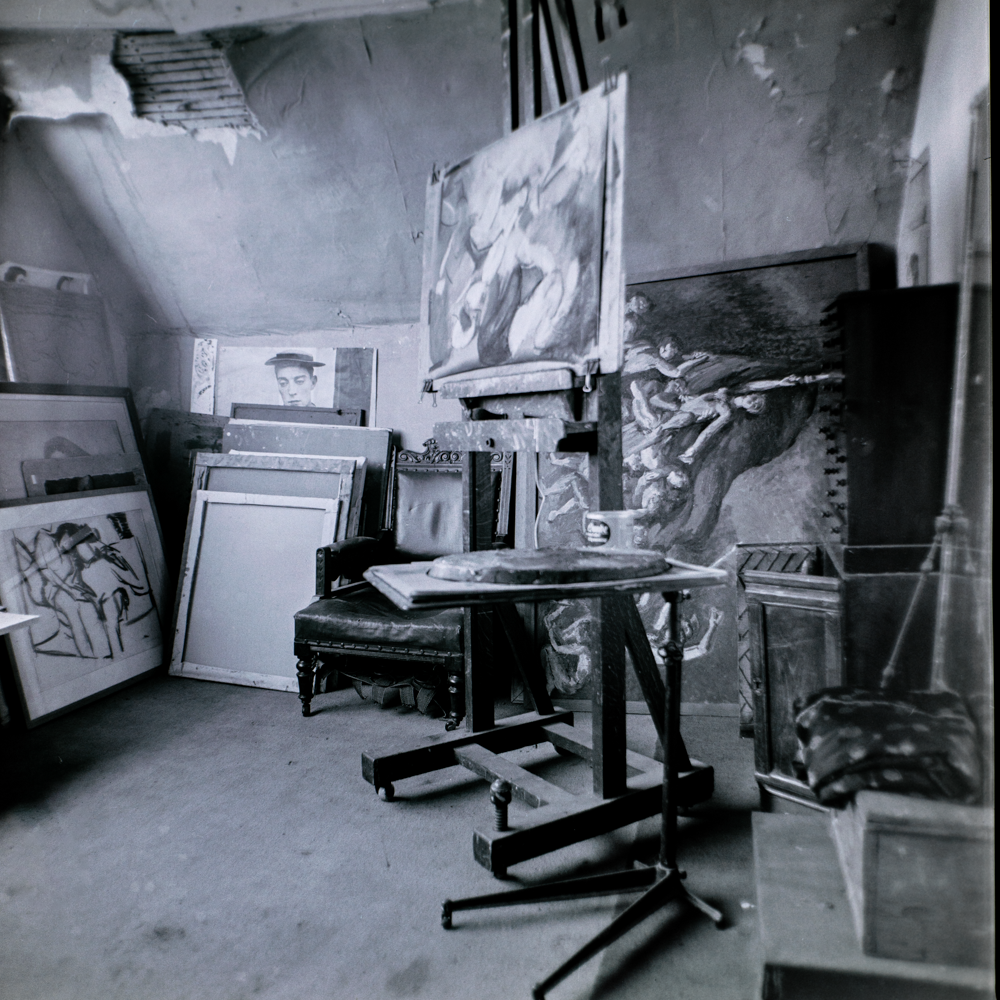
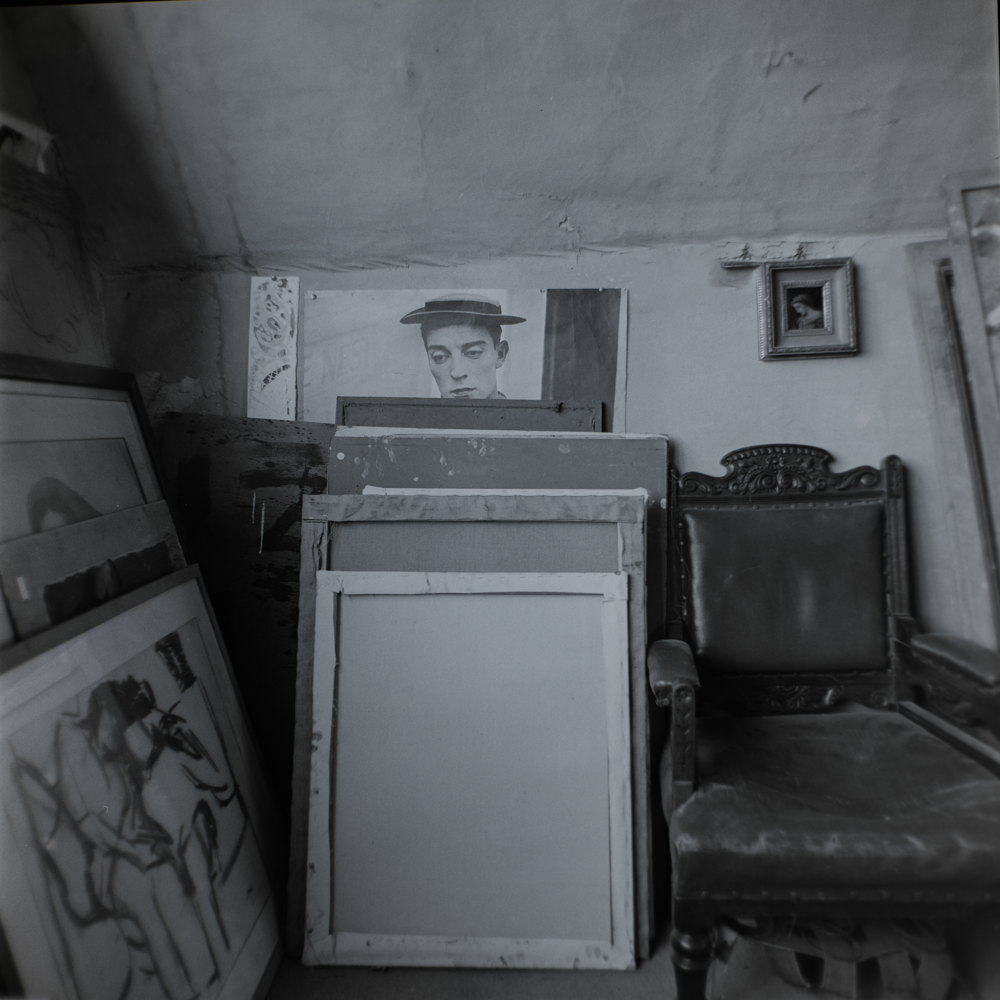
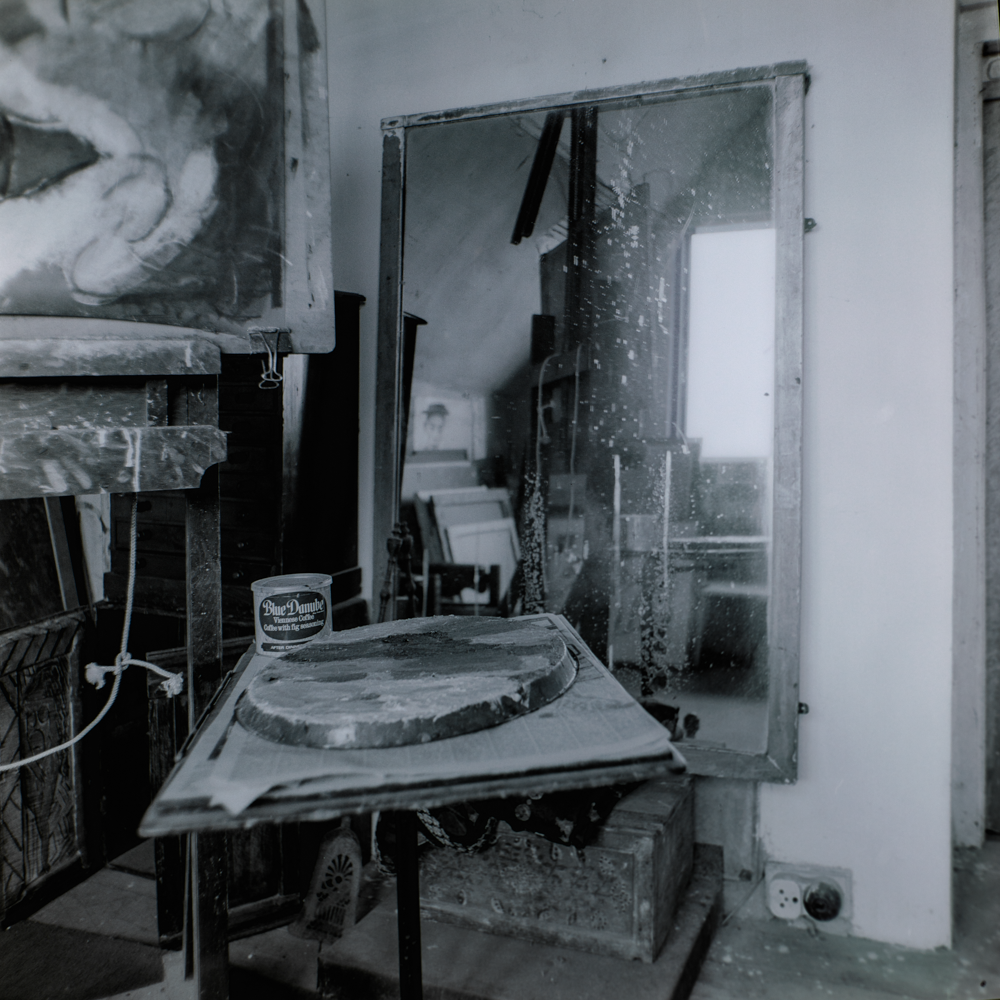
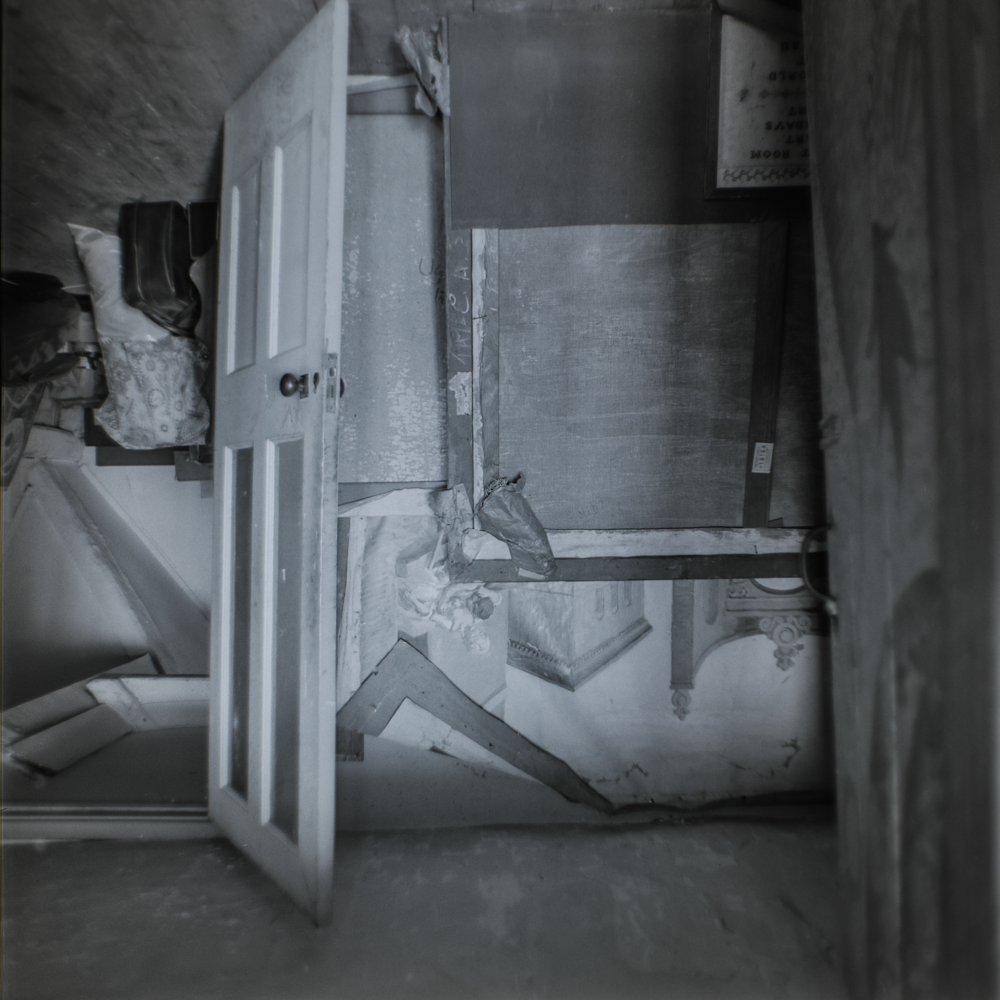
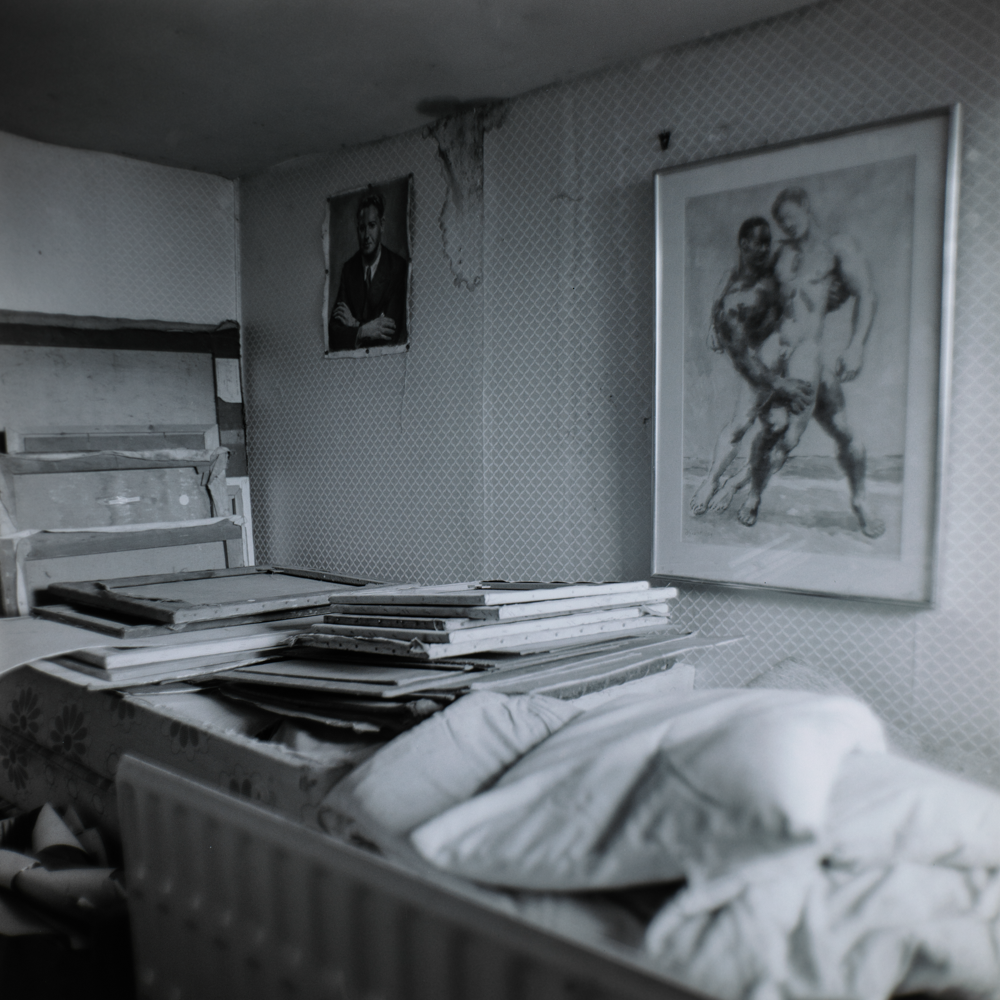
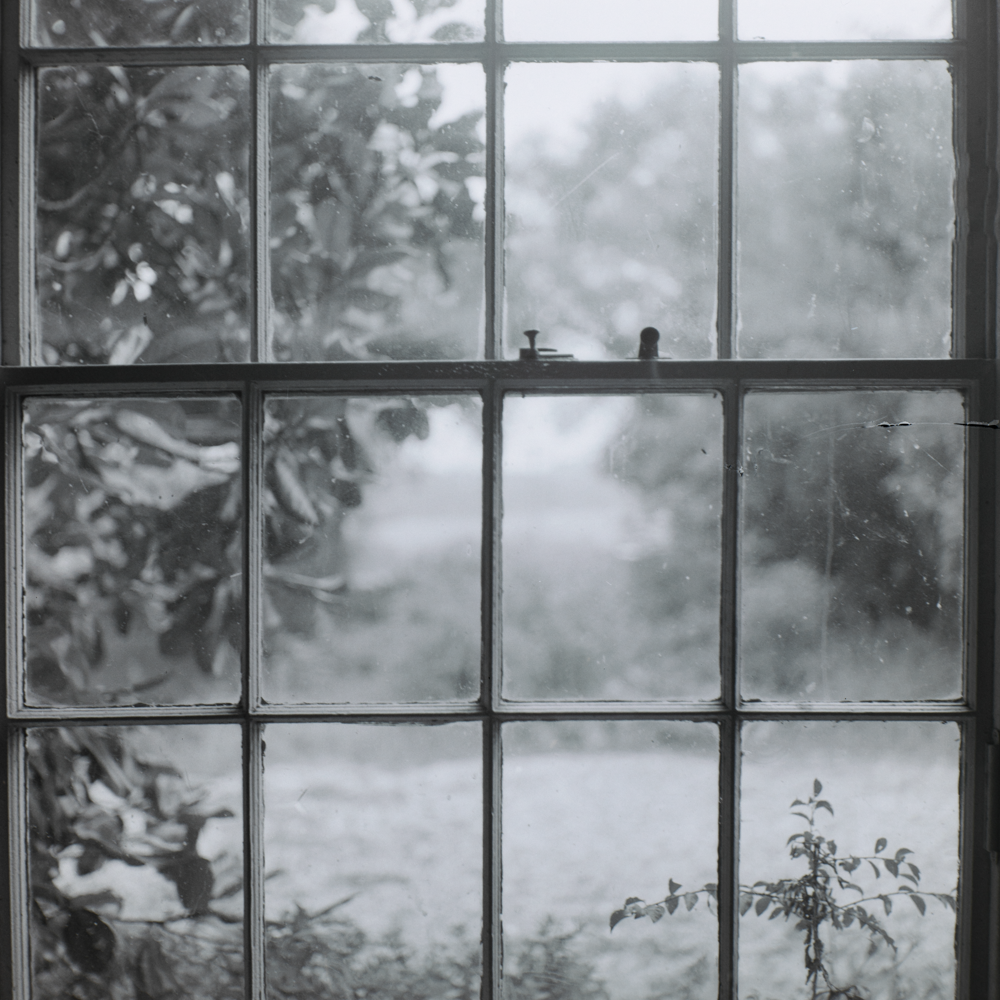
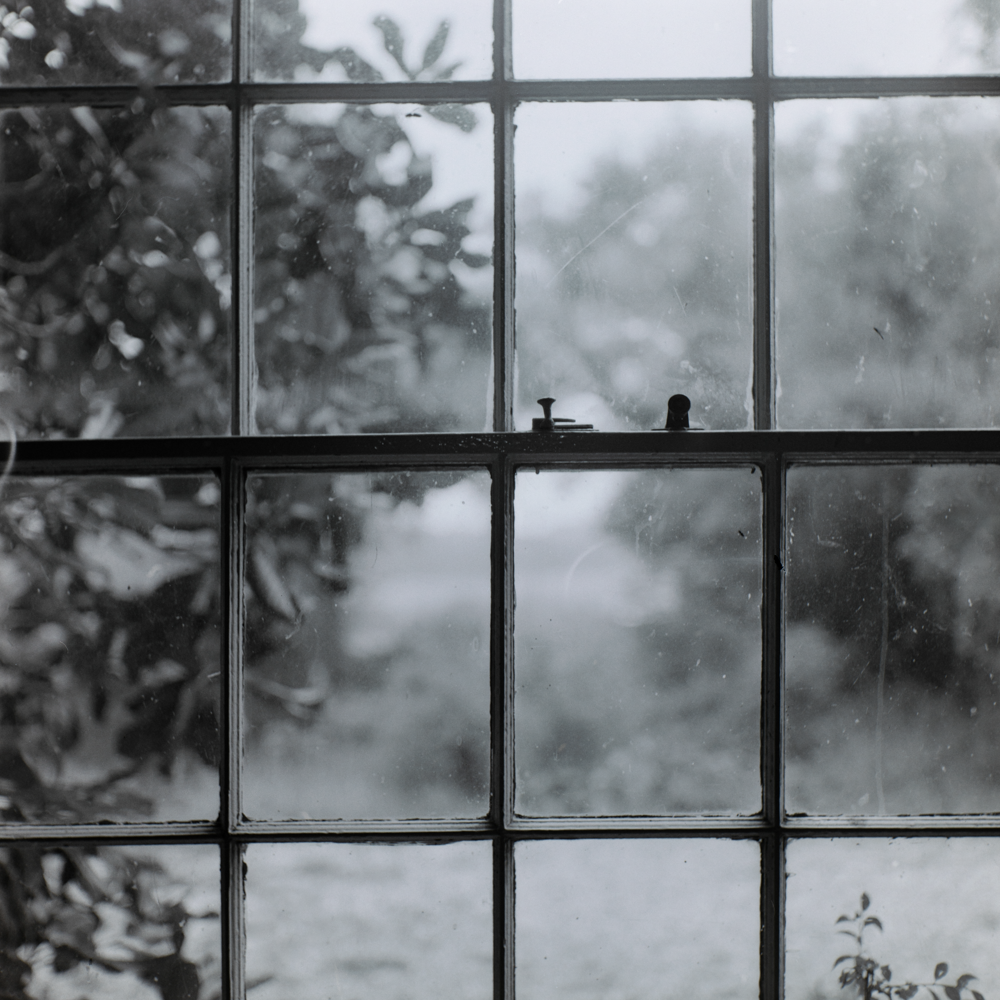
Sadly, the hundred or more colour photos I took, along with those by Paul Bamborough (who went on to found the groundbreaking video editing suite Lightworks) have all been lost. All that survive are a couple of dozen black and white negatives, shot with a 2 ¼” square format camera, which I have finally scanned and present here. They have never been shared before and may contain details that are of interest to researchers, despite the meticulous restoration of Charleston and the huge archives.
How I came to photograph Charleston
In July 1979, American filmmaker, Dee Dee Glass (1948- 2004) was making a TV documentary on art historian, Quentin Bell (broadcast as Who’s Afraid of Quentin Bell, Southern TV, 1979). Son of artist Vanessa Bell and art critic Clive Bell, and nephew of novelist Virginia Woolf, Quentin grew up with his brother Julian and half-sister Angelica at Charleston, which became one of the locations for Dee Dee’s film.
At that time (1979), I was working as a researcher in the psychology department at Oxford University alongside Dee Dee’s husband, Paul Bamborough. Dee Dee and Angelica thought it would be a wonderful idea if Paul and I could make a photographic record of Charleston, from top to bottom, to help fundraise to preserve the house as a memorial. Which is what we did.
Paul used his Nikkormat 35mm camera and a borrowed Widelux medium-format panoramic camera, while I used an Olympus OM and either a Yashicamat or a Bronica S2a. If it was the Yashicamat, it had belonged to a great photographer, the late Paddy Summerfield, who was working as darkroom technician in the same Oxford psychology department as Paul and I. The Bronica belonged to another friend, Alun Anderson, who was a postdoc at Oxford and later became editor of New Scientist.
In a dilapidated state
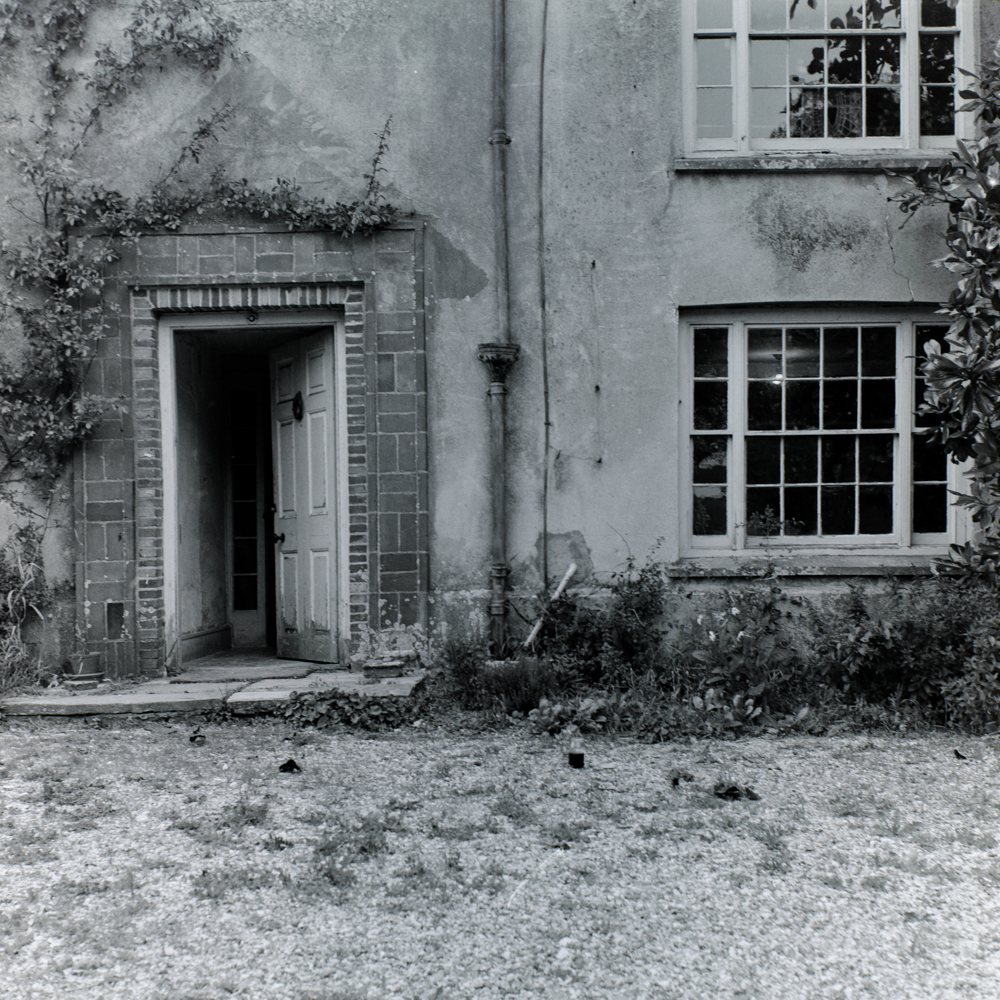
We arrived at the front door for the first day’s shoot, ringing a large school bell that stood by the step. Angelica soon appeared, holding the cat and welcomed us in for tea in the downstairs room she used most.
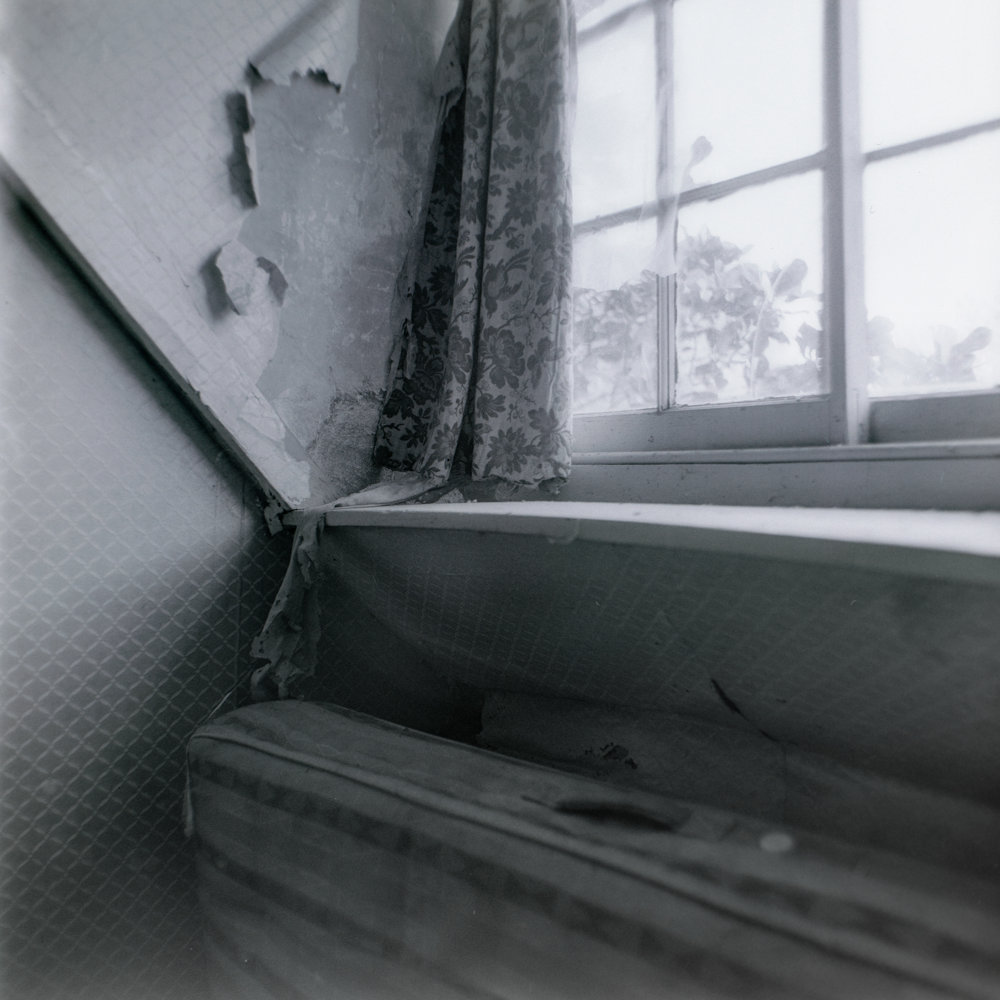
The house was in a dilapidated state, with rising damp, peeling paint and wisteria creeping in through an upstairs bedroom window. In Duncan’s downstairs studio, ephemera of daily life, like bus timetables and shopping lists, rubbed shoulders with iconic artworks, murals and sculptures by the Bloomsbury group. The upstairs rooms each had the signature of its illustrious former occupant and were just as they’d left them.
Angelica was unhappy living there, amid the stifling presence of Duncan, Vanessa and the Bloomsbury collective – all strong personalities. Her aim was to raise funds for an endowment so that the National Trust or another organisation might take it over and preserve it for posterity, while she could move out.
Lost and found
Once I’d handed the films over to Paul and Dee Dee, which I understood would be used to make prints for fundraising and as cutaways for her film, I forgot about them for the next 45 years, until I met another photographer, Sue Snell, who’d photographed the gardens at Charleston after their restoration, which she published as a book in 2010.
I tried in vain to locate the colour negatives or prints through Sue’s many Charleston contacts, finally reconciling myself to their loss when Paul recently admitted he had no idea where they might be. I knew where my black and white negatives were, though, and duly scanned them.
These may therefore be some of the few surviving images of that brief interlude between Duncan Grant’s death and Angelica Garnett’s departure, when Charleston was still inhabited, unarchived and unrestored. There is, of course, Dee Dee Glass’s film Who’s Afraid of Quentin Bell, which used some of our images, but I have been unable to trace a copy.
all photos (c) Peter Coles.


