Four swifts screeching and scything through the blue sky over the back gardens of West Hampstead. They’ve come back exactly to the day (see post last year (https://petecoles.me/2013/06/04/theyre-back/). And it was on a 15 May that Ted Hughes published his poem “Swifts”. Curious precision. And at least there are still four of them, as numbers had been decreasing each year.
Author: petecoles
Shepherd’s Purse
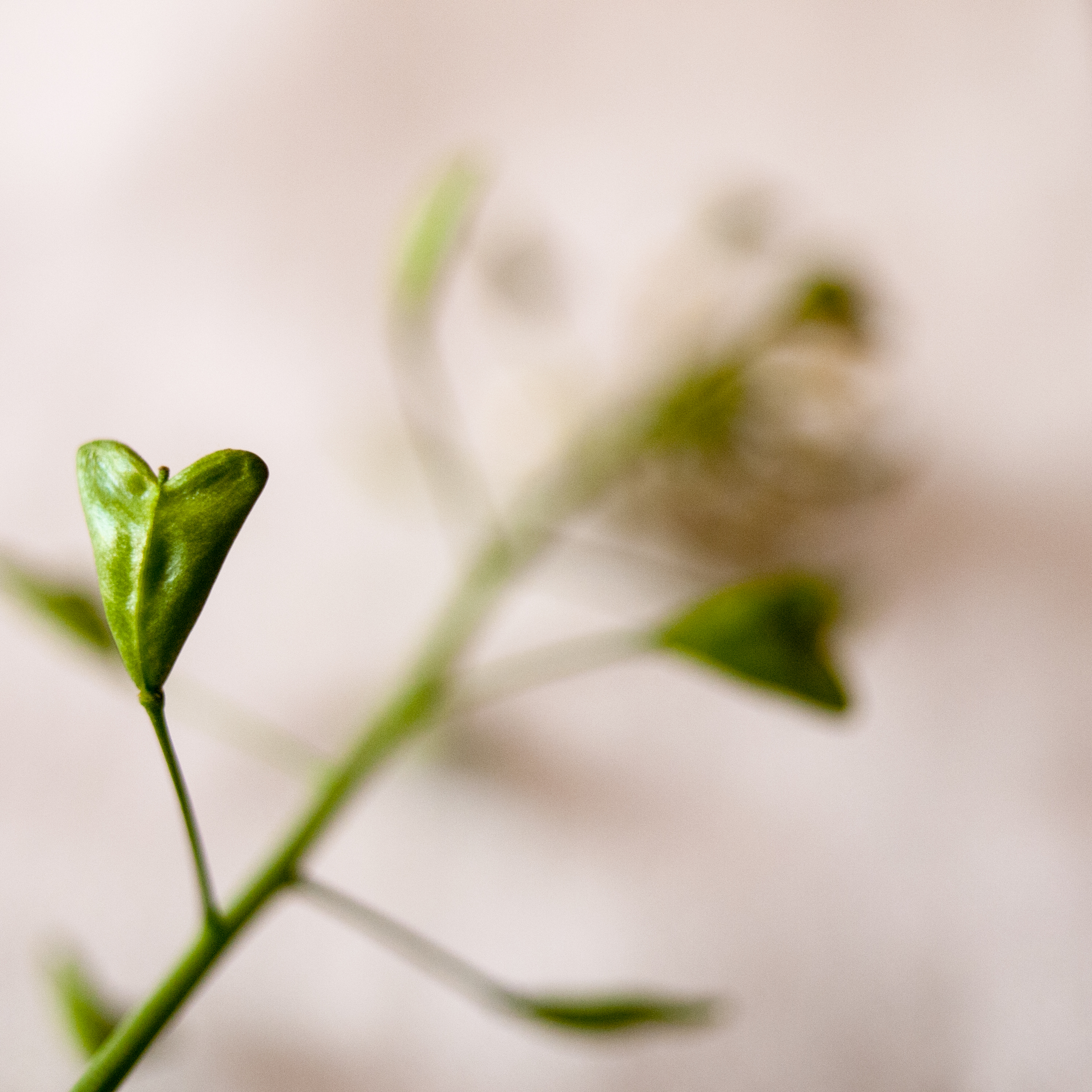
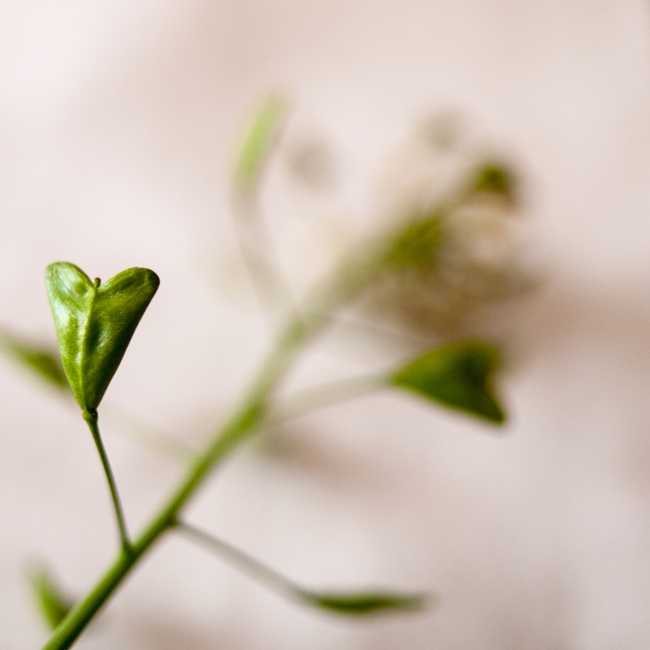
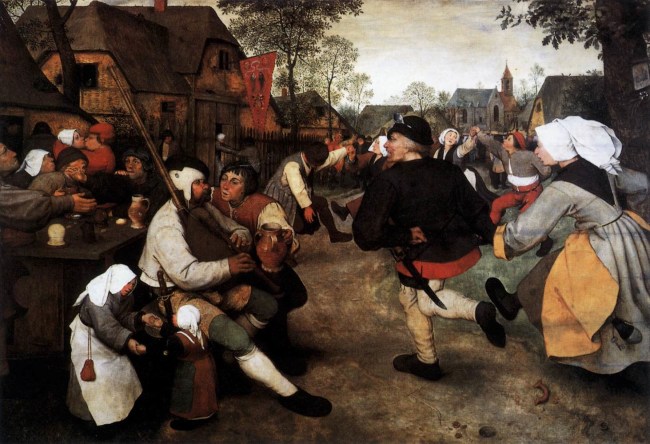
Shepherd’s Purse (Capsella bursa-pastoris) is flowering now in the cracks between paving stones and alongside garden walls in my suburbia. It’s the little seed pods though, not the flowers, that have endeared them to me since childhood in more rural Buckinghamshire. A little plant with dozens of hearts on stalks. But the plant gets its Latin and common English name from the resemblance of these seed pods to the purses that hung from the belts of peasants in the Middle Ages. The French name is Bourse-à-pasteur, which also means a shepherd’s purse. And when the pod is ripe, it splits open and little seeds spill out, like coins. The Dutch painter, Pieter Breugel, included one in his The Peasant Dance, painted around 1567.
In his inspiring book, Weeds, Richard Mabey points out that the seeds are covered with a kind of gum, which, when moist, helps them to stick to the feet of birds, increasing their chances of dispersal. Also, according to Mabey, the resemblance of the seed pods to bladders meant that they were once thought to be an effective cure for urinary disorders – following the theory of plant ‘signatures’ put forward by the 17th-century Oxford botanist, William Coles.
In Flitting, written in 1832, the poet John Clare declares his love for the “poor persecuted weeds” which, he points out, will still remain “where old marble cities stood.” He composed the poem shortly after he, his wife and seven children moved to the village of Northborough (“this strange spot”). Although not far from his birthplace in the village of Helpston (“that old hut now left), he felt increasingly alienated, with bouts of severe depression. In the poem, simple weeds around his new home remind him of his beloved Helpston.
A farm worker himself, he wrote of shepherd’s purse:
E’en here my simple feelings nurse
A love for every simple weed
And e’en this little shepherd’s purse
Grieves me to cut it up – Indeed
I feel at times a love and joy
For every weed and every thing
A feeling kindred from a boy
A feeling brought with every spring.
And why – this ‘shepherd’s purse’ that grows
In this strange spot in days gone bye
Grew in the little garden rows
Of that old hut now left – and I
Feel what I never felt before
This weed an ancient neighbour here
And though I own the spot no more
Its every trifle makes it dear.

Pâquerettes

Pâquerettes, French for daisies (Bellis perennis), probably from Pâques (Easter), which is when they first flower – i.e. now. The monotony of local lawns shattered by these little stars, while the woodland upstart bluebells vie for attention in posher gardens, giving off a whiff of hyacinth and nodding smugly. “They’re beautiful when they first come out” said one neighbour (about bluebells), “but they look so ragged when they fade. And they stay like that for ages.” Not the pâquerette, which remains jolly, winking back at you, resisting the trampling of children and staying bright even when picked, bobbing in a glass, on the kitchen table.
Green mist
Magnolia
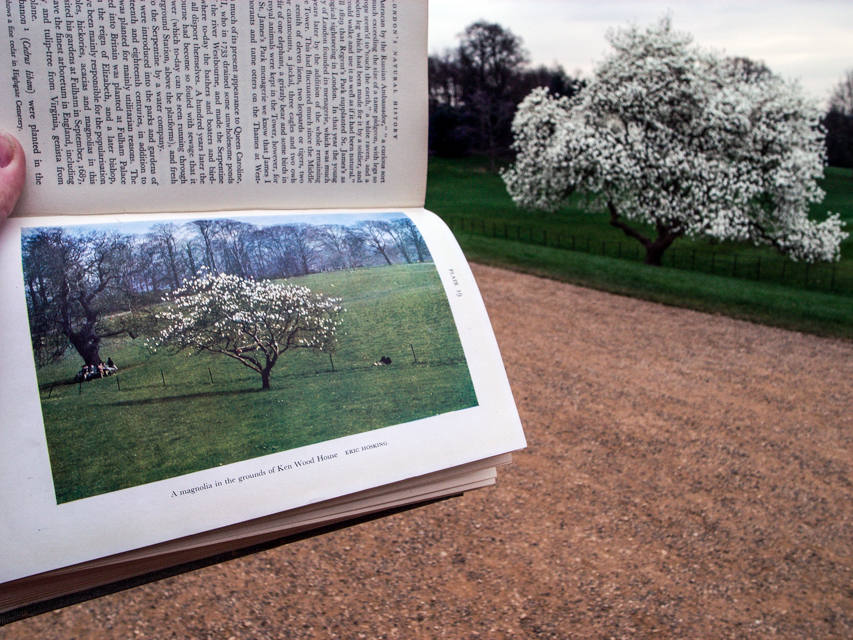
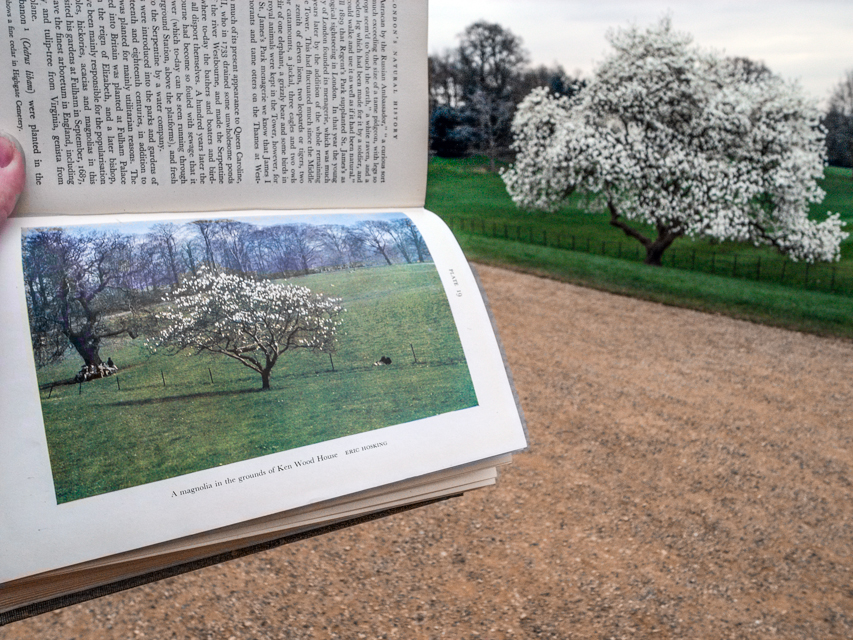
It’s odd that the blossoming of a tree that is native to the Himalayan mountains should herald Spring in suburban London, but that is what the magnolia does. And this one on the slope on the south side of Kenwood House is particularly splendid. It is now in full flower, on 16 March. In 2009 it was at the same state of blossom on 24 March and last year, 2012, it did not bloom until after 2 April, according to the newsletter of the Friends of Kenwood.
The tree was probably planted in 1925, or shortly after, when the house was bought by Edward Cecil Guinness, First Earl of Iveagh. Arthur Oxford was appointed first head gardener that year. When Guinness died in 1927, he bequeathed the house to the nation.
In March 2009, shortly after the birth of my second son, I went up to the south terrace of Kenwood almost every day to photograph the tree in full bloom. For several days I went home without a picture because the flowers weren’t completely out yet.
In 1945 the famous bird photographer, Eric Hosking, had taken a photograph of the magnolia at almost exactly the same time of year, for R.S.R. Fitter’s endlessly interesting book, London: A Natural History, published in 1947. What’s interesting in Hosking’s photograph is the oak tree to the left of the magnolia, with a bench around it, on which sit visitors to the grounds. The tree is no longer there.
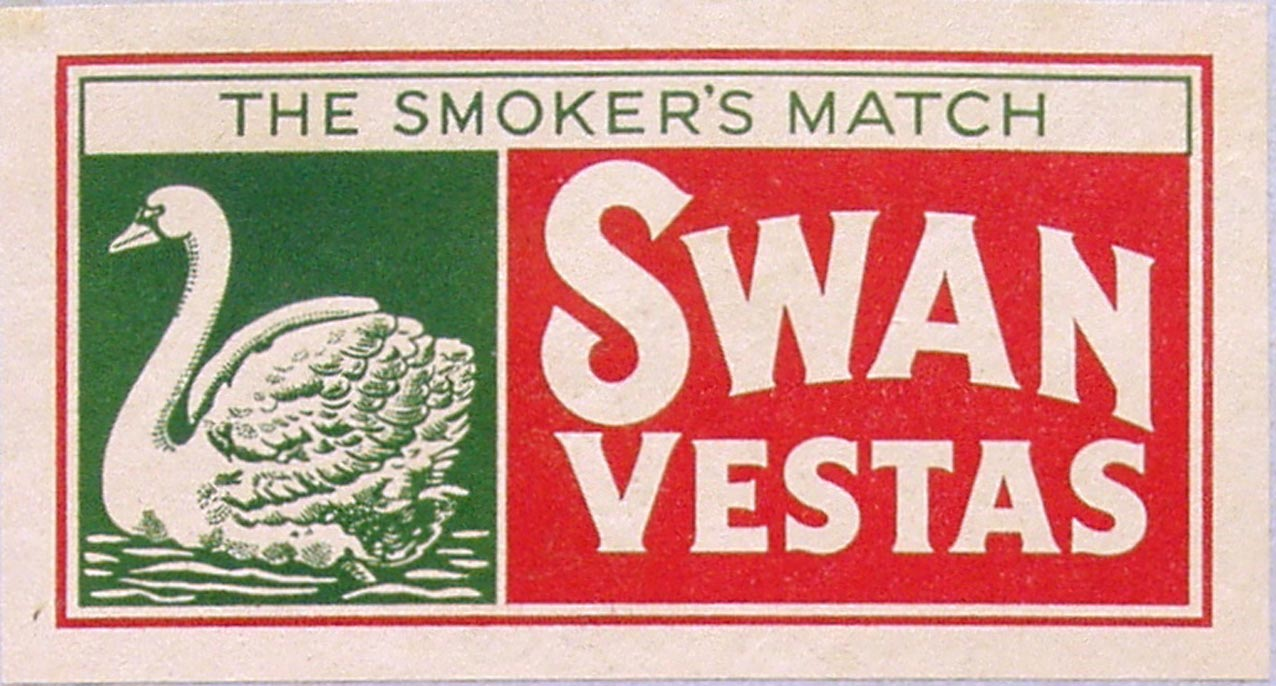
Hosking, who famously had an eye pecked out by an owl as he climbed into a hide to retrieve his camera, was the anonymous photographer of the swan that was used for the drawing n the Swan Vestas matchbox.
Pergola: The Hill Park, Golders Green
This is supposed to be the longest pergola in London. But who can say whether that’s true or not? Has someone measured all the pergolas? Does someone know how long this one is? It IS long, and winds round corners. Probably a good few hundred metres. If this is the longest, which is the second longest? Or is this all apocryphal speculation? Why not leave the burden of proof to someone else and make the claim anyway? Not really my nature to do that…
Start of the day

Gardening tools at the start of a day in Golders Hill Park
I was out for a walk in the fog this morning, photographing the usual suspects: trees against a background of mist. Yet, with all the obvious beauty of the familiar cloaked in unusual robes, I was drawn to this half-hidden collection of gardening tools, laid out for park gardeners at the start of the day. Would each person have a separate task – raking leaves, digging, hoeing? Or would everyone get a go on everything?
For a few moments I felt a pang of envy. I wanted to do one of those jobs. It reminded me of meditation retreats I’d been on, where some of the most enjoyable hours were those spent doing manual work outdoors, like raking leaves, or digging damp soil, listening to the birds and finding meaning in small things.
Sixth Greenwich Annuale

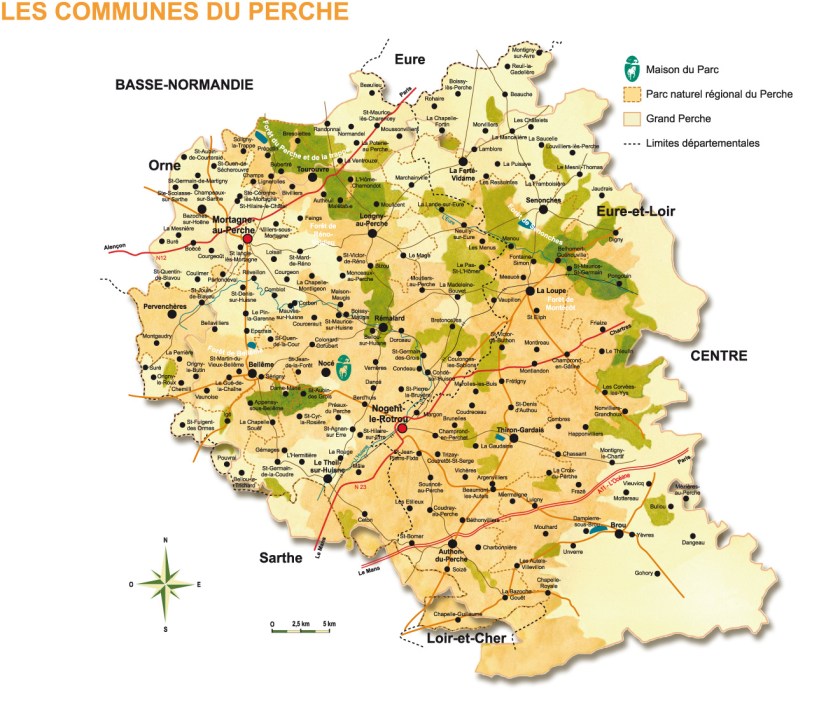
The London Independent Photography (LIP) Greenwich group is holding its Sixth Annuale exhibition from 8 – 22 August at The Greenwich Gallery , Linear House, Peyton Place, London SE10 8RS. The private view is tonight from 6.20 pm – 8.30 pm and is open to all. I will be exhibiting my photo ‘Percheronne’. It was taken in the Perche region of France (Basse Normandie, or Lower Normandy) where I spent a year in a cottage in Eperrais, a tiny village between Mortagne and Belleme.

Percherons are magnificent dray or cart horses and were once used as war horses. A Percheronne would be a female Percheron, but also a girl or woman from the Perche region.
The Perche region is famous for its mushrooms and also its salami sausages (saucisse sèche). There’s wonderful cider and organic cider vinegar to be had, too. The forests have wild deer and mostly maiden (i.e. straight, not coppiced or pollarded) trees (oak and beech). One oak, the Chêne de l’Ecole, is 42 metres high and is nearly 350 years old. Most oaks of this age in Britain are pollards, with their gnarled fat trunks, so it was a surprise to me to see a very old but slim tree.

The forests and woodland in this part of France are managed very much as they used to be in Britain 200 or more years ago. The forests are used for hunting game, for mushrooms and for long, straight timber. Elsewhere there are private coppice woods used to produce small lengths of wood for fencing, broom handles, firewood, etc.

In most coppice woods in Britain, like parts of Epping Forest, the trees haven’t been cut back (coppiced) for over a hundred years, so the ‘poles’, which would have been harvested every 15 years or so have grown into mature trees, sometimes in a circle around what used to be the stump of the original tree (see post on the Hornbeam in Highgate Wood).
When I came across the coppice wood in a little village called Clinchamps, with coppice stools mixed with maiden trees, I felt I was seeing a textbook version of the traditional coppice woodland described by Oliver Rackham in his book, Woodlands, but mostly disappeared from Britain.
Hibiscus

Hibiscus syriacus doesn’t originally come from Syria, but eastern Asia, probably China and Korea. It’s been in bloom in our garden and others around here in northwest London for the past few days. So popular with gardeners it might better be called Hibiscus suburbus. But I love it when our bush flowers as it goes from green leaves and pregnant buds to a mass of white and pink-tinged flowers almost overnight. And at last the bush is taking on a more natural form after the downstairs neighbour, in love with his power tools and a rectilinear decking aesthetic, took a chain saw to it two years ago and made it into a box of twigs on a stalk. LIke a square lollipop. Since they left, I’ve been able to prune it and shape it by hand using secateurs and an eye for shape rather than any real knowledge of what I am doing.
Sleeping logs